



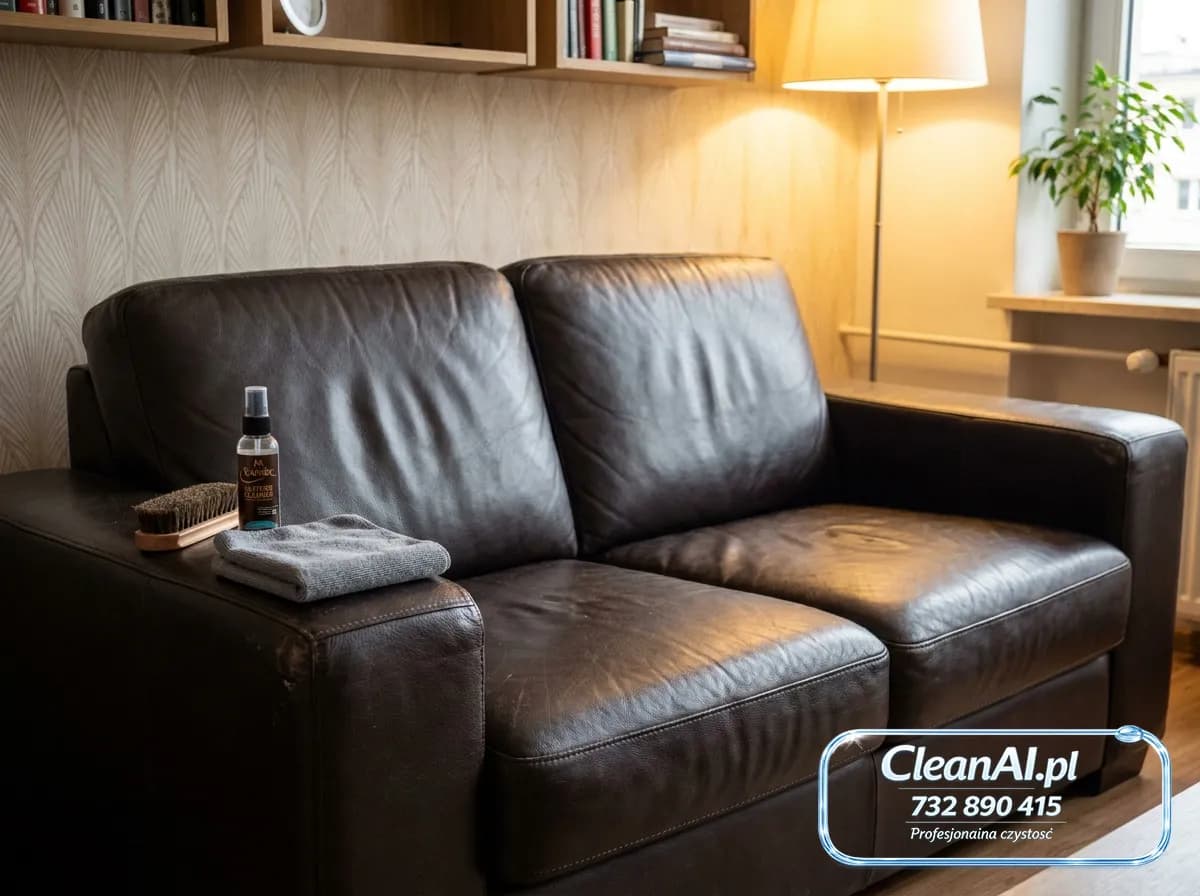
Leather cleaning in Krakow: what the service covers
Updated:
Leather cleaning and care in Kraków costs 95 PLN for an armchair at CleanAI, 215 PLN for a two-seater sofa, 265 PLN for a three-seater and 300 PLN for an L-shaped corner sofa. Travel within Kraków and products are included, the minimum visit is 120 PLN, and you pay after the service.
Leather furniture cleaning prices in Krakow
- Leather 2-seater sofa
- 215 zł
- Leather 3-seater sofa
- 265 zł
- Leather L-shaped corner sofa
- 300 zł
- Large or U-shaped leather corner sofa
- 360 zł
- Leather armchair
- 95 zł
- Large or reclining armchair
- 130 zł
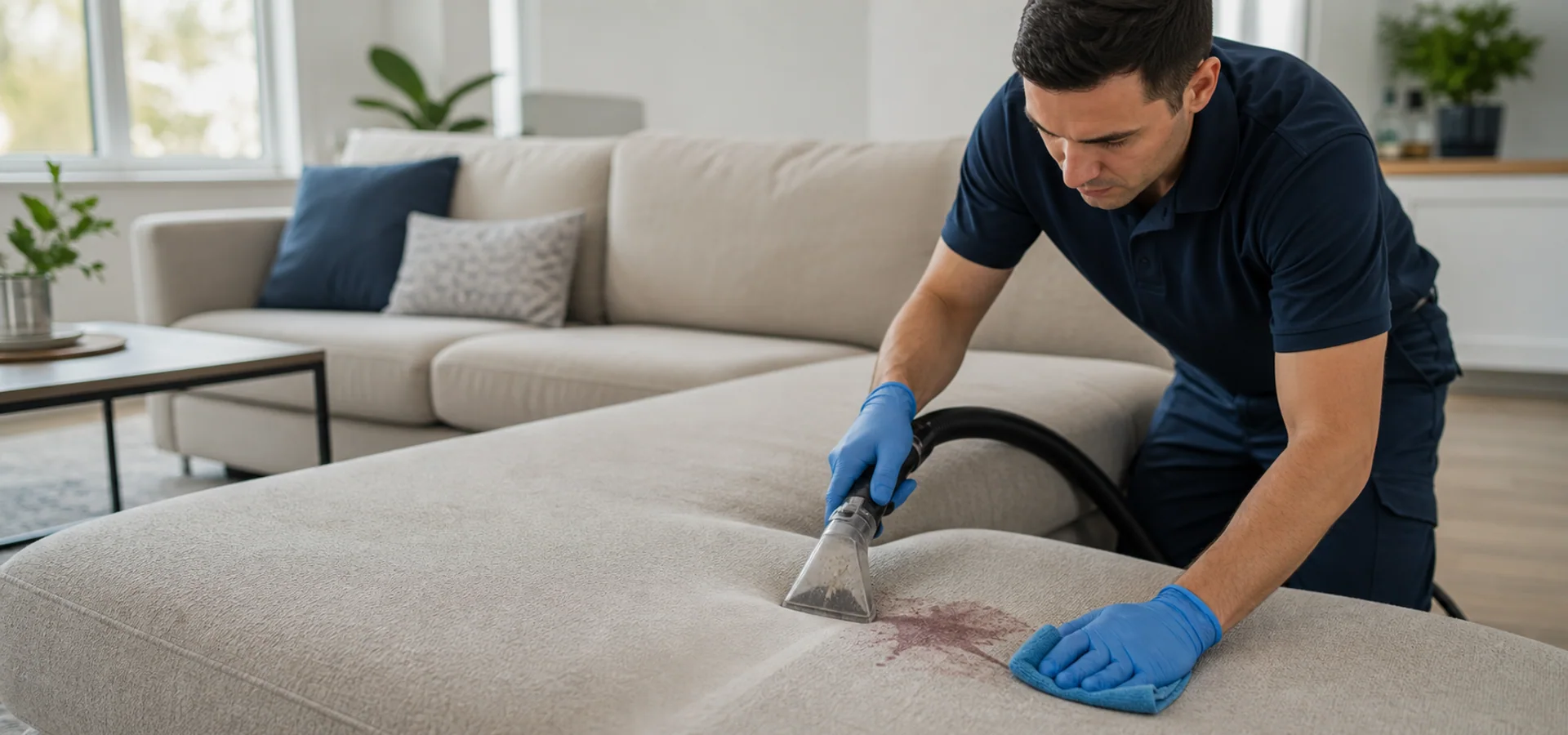
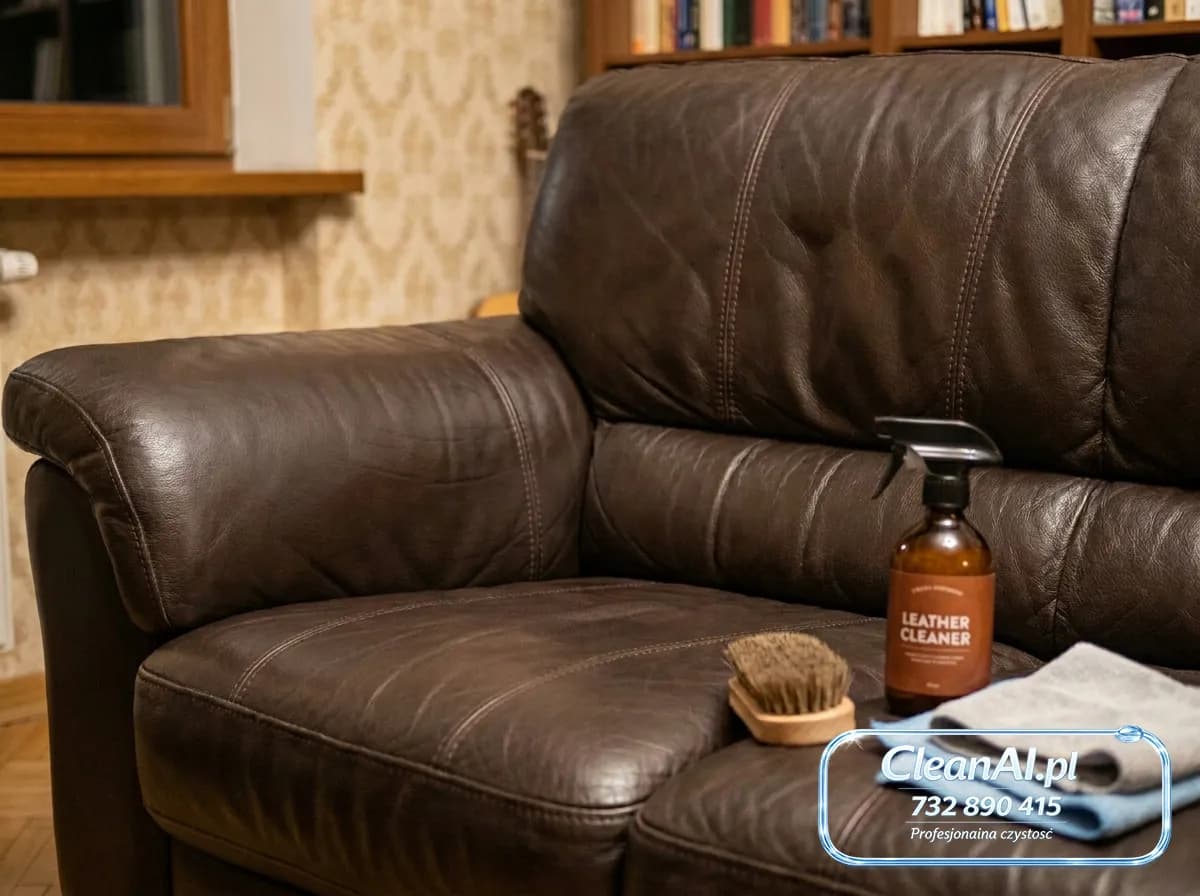
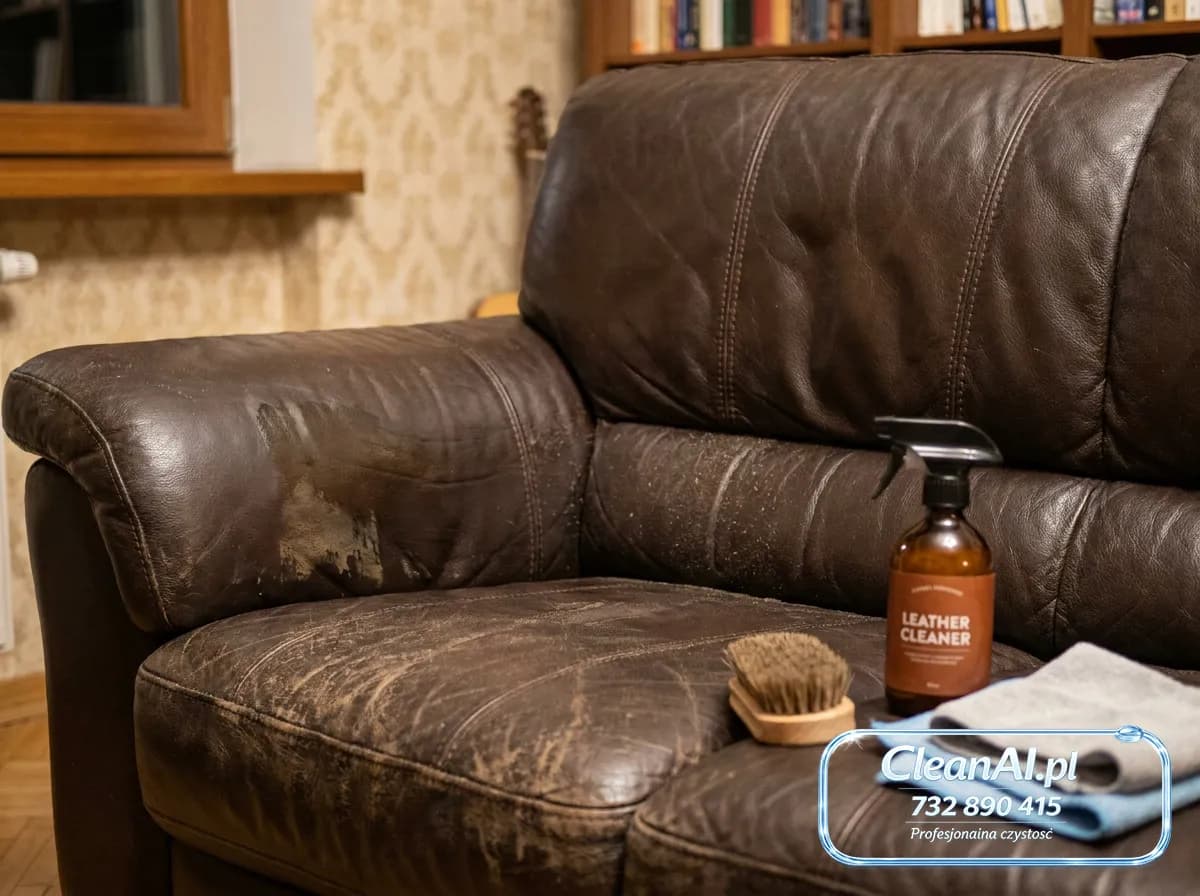
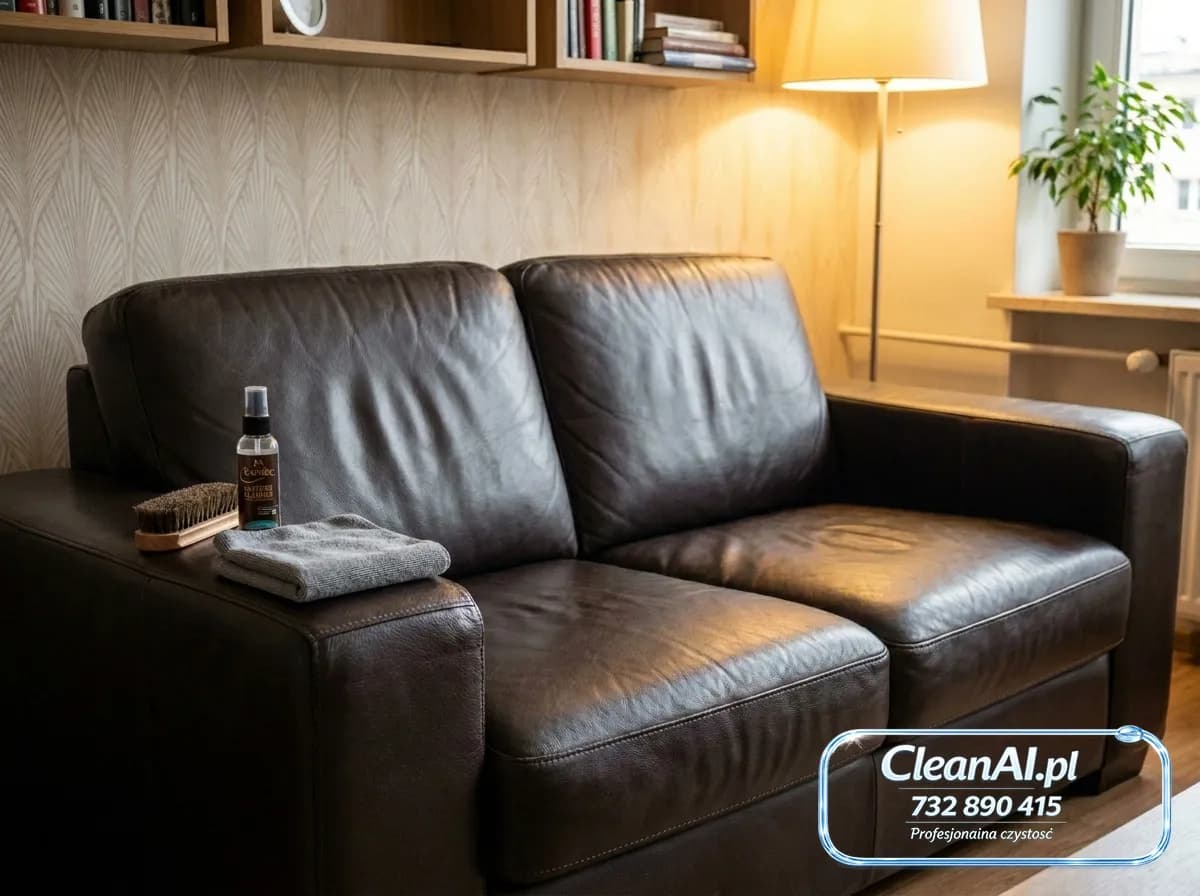
Leather cleaning is handwork, not washing. Furniture leather carries a thin finish on top: pigment and lacquer that protect it from dirt and moisture. Grime from hands, sweat and hair oil work their way into that finish and dull it over time, until the armrests and headrests turn dark and sticky. We lift that grime with a soft brush and a pH-neutral cleaner, collect it with microfibre, and finish with a balm that gives back what time and central heating have drawn out of the leather.
We start by identifying the leather. A drop of water on a hidden spot shows whether it is pigmented or absorbent, like aniline and nubuck. Smooth leather and faux leather make up most sofas in Polish flats, and those have a price list. Aniline and nubuck darken with any wet cleaner, so we quote them from a photo and choose the products separately, before anyone touches the furniture.
Our customers are owners of leather sofas and corner units after a few years of use, families with children and pets, people who bought second-hand furniture when moving, and offices with leather chairs in meeting rooms. We travel to every district of Krakow and to Wieliczka, Skawina, Zielonki, Niepołomice and Zabierzów.
Read moreCollapse
Leather furniture cleaning prices in Krakow
Leather is not washed like fabric. Nobody pours water on it under pressure or pulls it back out with an extractor: we clean by hand with a pH-neutral cleaner and finish by feeding the leather with a balm so it does not dry out and crack. That is why leather has its own price list, separate from upholstery washing. The price covers vacuuming, cleaning and the balm, travel inside Krakow is free, and you see the price before you book.
| Furniture | Price | Working time | What it covers |
|---|---|---|---|
| Leather 2-seater sofa | 215 zł | 60–80 min | seats, backrest, sides, armrests, balm |
| Leather 3-seater sofa | 265 zł | 80–100 min | seats, backrest, sides, armrests, balm |
| Leather L-shaped corner sofa | 300 zł | 90–120 min | every module on both sides, balm |
| Large or U-shaped leather corner sofa | 360 zł | 2–2.5 h | every module, chaise, balm |
| Leather armchair | 95 zł | 30–40 min | seat, backrest, armrests, balm |
| Large or reclining armchair | 130 zł | 40–60 min | with the mechanism and footrest, balm |
| Leather chair | 30 zł | 10–15 min | seat and backrest |
| Leather office or gaming chair | 50 zł | 15–25 min | seat, backrest, headrest, armrests |
| Leather pouf or footstool | 35 zł | 10–15 min | every side |
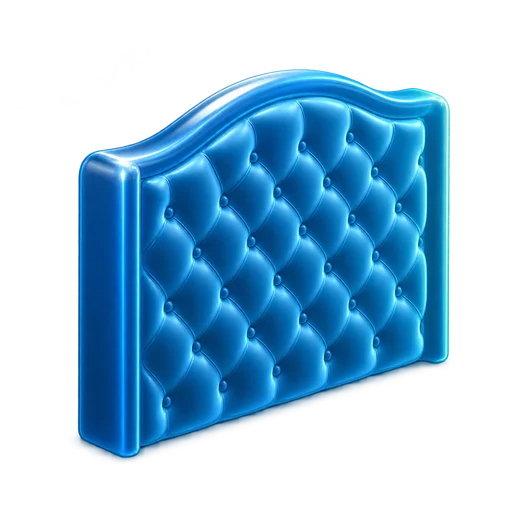
| Leather bed headboard | 170 zł | 40–60 min | front and sides, stitching, balm |
| Leather impregnation | 70 zł | 15–20 min | add-on, per piece of furniture |
| Touching up worn spots (recolouring) | 180 zł | 60–90 min | add-on, armrests and seating areas |
The minimum order is 120 zł, add-ons included: a single chair gets there with a second piece of furniture or with impregnation. Smooth, pigmented leather and faux leather are priced from the table. Aniline, nubuck and suede are quoted from a photo, because an ordinary cleaner leaves dark marks on them. Leather car upholstery is a separate service with its own price list.
What leather cleaning covers and what it does not
In the price
- Identifying the leather and testing the cleaner on a hidden spot
- Vacuuming seams, stitching, dips and the gaps between cushions
- Hand cleaning the whole piece with a pH-neutral cleaner and a soft brush
- Removing grime from armrests, headrests and seating areas
- Collecting the dirt with microfibre, without soaking the leather
- Feeding the leather with a balm after cleaning
- Cleaning stitching and piping in the colour of the leather
- Checking the result with you before payment
Outside the service
- Leather impregnation: a paid add-on from the price list
- Touching up worn spots and recolouring: a paid add-on, it does not change the colour of the whole piece
- Aniline, nubuck and suede without a photo quote first
- Repairing cracks, tears, holes worn through and peeling faux leather
- Replacing foam, springs or covers — that is an upholsterer's job
- Leather car upholstery: a separate service with its own price list
Stains on leather: what comes off and what stays
On leather a stain does not soak in the way it does in fabric, as long as the finish is intact. Once the finish is worn, dirt and dye go deeper. Honestly, below: what we remove as part of cleaning, and what stays or needs a touch-up.
| Stain or dirt | Result | How we do it |
|---|---|---|
| Dark, sticky armrests and headrests | very high | Several passes with a pH-neutral cleaner, dirt collected with microfibre after every section. |
| Dust, crumbs, pet hair in the seams | very high | The gaps are vacuumed before cleaning, a brush for the stitching. |
| Coffee, tea, juice | high | Fresh ones come off completely; old ones leave a barely visible trace on light leather. |
| Grease, hand cream, body oil | high | A leather degreaser, several short passes instead of one hard one. |
| Pet urine | medium | Cleaned and deodorised; leather soaked through a seam may keep a smell. |
| Ballpoint and marker | medium | Fresh ink comes off locally, old ink has entered the pigment and stays as a shadow. |
| Hair dye, nail varnish | low | Usually stays; we try locally, without solvents that destroy the leather's lacquer. |
| Denim dye on light leather | medium | Fresh transfer comes off well, set-in dye stays as a grey tint. |
| Worn and faded spots | not by cleaning | That is lost pigment, not dirt: a touch-up with recolouring helps, a paid add-on. |
| Cracks and peeling faux leather | not done | Damage to the material; cleaning does not reverse it, and hard rubbing makes it worse. |
Before the visit, do not try acetone, spirit, nail varnish remover or cream cleaner: they strip the lacquer off the leather along with the stain and leave a dull patch that cannot be hidden. Blotting a fresh stain with a dry paper towel is enough.
Types of leather: how to tell them apart and how we clean them
The simplest test you can do yourself: a drop of water on a hidden spot. If it sits on the surface, the leather is pigmented and priced from the list. If it soaks in and darkens, it is aniline or nubuck, and we need a photo.
| Type of leather | How to recognise it | How we clean it |
|---|---|---|
| Pigmented leather | Even colour, slight sheen, a water drop does not soak in | From the price list: pH-neutral cleaner, brush, balm |
| Semi-aniline leather | Natural pores visible, slightly uneven colour, water soaks in slowly | From the price list, a milder cleaner and a test on two spots |
| Faux leather (PU, PVC) | Uniform grain, fabric backing underneath, no leather smell | From the price list: cleaned without an oil balm, which does not suit it |
| Aniline | Soft and warm to the touch, a water drop darkens at once | Photo quote only: waterless foam, separate products |
| Nubuck | Velvety, changes shade when you run a finger across it | Photo quote only: a nubuck brush and a dry cleaner |
| Suede and leather velour | A clear nap, the flesh side of the hide on top | Photo quote only; upholstery washing often suits it better |
| Aged and waxed leather (pull-up) | Lightens where it bends, feels oily | Photo quote only: a cleaner can strip the wax and the patina effect |
The label under the seat or the furniture's care guide usually names the type of leather. If there is no label, send a close-up photo in the configurator: AI recognises the furniture and a technician looks at the leather before the visit.
Leather cleaning with us, washing it like fabric, or home remedies
Most of the leather damage we see is caused not by dirt but by the wrong cleaning. Three realistic options for a leather three-seater sofa.
| Criterion | CleanAI: leather cleaning | Extraction washing like fabric | Home remedies |
|---|---|---|---|
| Price for a 3-seater sofa | 265 zł with balm | similar, but no care | the cost of supermarket products |
| Water | damp microfibre only | lots of water forced into the seams | depends on the hand |
| Cleaner | pH-neutral, chosen after a test | fabric shampoo, usually alkaline | cream cleaner, washing-up liquid, spirit |
| After cleaning | balm, the leather stays supple | dry, stiff leather that cracks sooner | dull patches from solvents |
| Aniline and nubuck | identified and quoted from a photo | dark water marks | dark water marks |
| Time | 1.5–2 h, sit down after an hour | 2 h, dry by the night | half a day |
| Paperwork | invoice, payment online or after the visit | depends on the company | — |
When leather furniture is worth cleaning
Once a year is enough for most leather sofas in a home without pets. Twice a year if children sit on the furniture, a dog or a cat sleeps on it, or the sofa stands by a south-facing window: sun and dust dry the leather together, and grime on the armrests speeds up cracking. The sign that it is time is simple: the armrests are darker than the rest, and the leather on the seats feels sticky or looks shiny.
The worst moment is the middle of the heating season after a long gap: radiators dry the leather out, and the dirt in its pores acts like sandpaper every time someone sits down. It is better to clean and feed the leather in autumn, before the heating goes on, and then in spring to remove what gathered over the winter.
Second-hand leather furniture is worth cleaning before it comes into the home or right after. We then remove not only the dirt but the smell of someone else's flat, and it becomes clear whether worn spots are hiding under the grime that can still be touched up before they wear through.
How to look after leather furniture between cleanings
- Wipe the furniture once a week with a dry, soft cloth: dust in the pores works like fine sandpaper
- Keep the sofa at least a metre from a radiator and out of full sun, drying leather cracks where it bends
- Blot a fresh stain with a dry paper towel, without rubbing and without water and washing-up liquid
- Do not use spirit, acetone, wet wipes or all-purpose sprays: they strip the lacquer from the leather
- Apply leather balm every three to six months in a thin coat, and never put oil balms on faux leather
- Put a cover on armrests where you rest your head or arms: sweat and hair oil darken them fastest
- Trim your pets' claws and put a throw on their favourite spot, scratches in pigmented leather do not disappear
Cleaning a leather sofa: why not washing
From the outside, cleaning a leather sofa looks like less work than washing upholstery, and it is the opposite. With fabric, an extractor forces water in and draws it out, and the dirt leaves with the water. Leather does not allow that: water that gets into the seams and through worn spots goes under the finish, the leather stiffens as it dries, and light sofas get water marks along the stitching. So we work by hand with a brush and microfibre, and the water stays in the cleaner, not on the leather.
The second reason is pH. Upholstery shampoos are alkaline, because that dissolves dirt from fibres best. Tanned leather is slightly acidic, and an alkaline cleaner pulls the oils out of it and opens the way to cracking. A pH-neutral cleaner works more slowly, so the armrests take several passes, but the leather stays supple. The balm at the end is not decoration: it replaces what time and heat have taken out.
For the same reason leather has its own price list with us, higher than washing fabric of the same size. You pay for identifying the leather, choosing the cleaner, handwork and the balm, not for a pass with an extractor. Impregnation, which protects the leather from stains for months, you add as an add-on if you need it.
Leather care: balm, impregnation and touch-ups
Leather care means three different things that often get lumped together. Balm moisturises and nourishes: the leather gets softer, creases less where it bends, and the colour deepens. Balm is included in every cleaning of real leather. Impregnation builds a thin barrier on the surface that coffee runs off and hand grime gets through more slowly. It costs 70 zł per piece of furniture and makes sense with light leather, children and pets.
A touch-up with recolouring is a repair of appearance, not care. On worn armrests and seat edges the pigment has rubbed off and lighter leather shows through. We match the dye to the furniture and apply it in layers only on the worn spots, for 180 zł. We do not repaint whole pieces or change their colour, and holes worn through and cracks remain a job for an upholsterer.
Honestly about faux leather. We clean it gladly and well, because it does not absorb dirt the way real leather does. It cannot be saved once it starts peeling, though: the polyurethane layer is separating from the fabric, and no cleaning or balm stops that. If you see the first peeling spots, we will say plainly that cleaning improves the look but does not stop the breakdown.